
The Future of Aircraft Component Reuse in Aviation
- Amir Ali
- Dec 9, 2025
- 4 min read
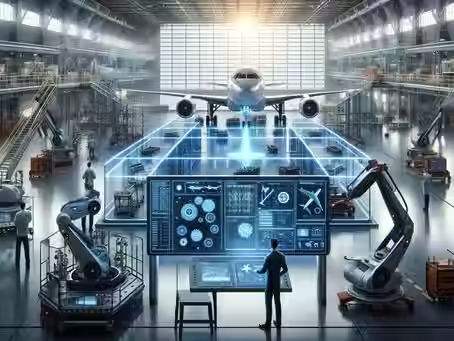
Every retired aircraft begins a journey that extends far beyond its final flight. Instead of being discarded, its components enter a meticulously structured process of teardown, evaluation, refurbishment, and redistribution, ensuring that high-value parts remain in circulation to support active fleets.
For airlines, MROs, and operators, the ability to reuse, refurbish, and repurpose aircraft components is no longer optional—it is essential. Supply chain constraints, rising costs, and sustainability requirements are reshaping the aviation aftermarket, making component reuse and smart sourcing strategies critical to maintaining fleet readiness without unnecessary downtime or excessive expenditure.
How Decommissioned Parts Find a Second Life
When an aircraft is decommissioned, its components typically follow three primary paths:
Immediate Reuse: Certain avionics units, landing gear assemblies, and auxiliary power units (APUs) can be tested, certified, and returned to service quickly, often with minimal refurbishment.
Full Refurbishment: Engine components, hydraulic systems, and structural elements often require in-depth inspection, repair, and recertification before re-entering the market, ensuring full compliance with FAA or EASA standards.
Material Recovery or Repurposing: Parts that are beyond economical repair may be dismantled for material reclamation, repurposed for training, research, or non-flight applications. Even these contribute to operational sustainability by minimizing waste and recovering valuable metals and alloys.
This structured approach ensures that aircraft component lifecycle value is maximized while reducing costs and promoting sustainability across the aviation sector.
Meeting Demand Amid OEM Delays
OEMs are notorious for backlogs, especially for critical engine or avionics components. Delays in production can lead to Aircraft on Ground (AOG) scenarios, where operators face expensive downtime. In these situations, serviceable used material (USM) is a vital solution.
USM components may carry signs of previous service, but when properly tested and certified, they provide reliable performance at a fraction of the cost of new parts. For instance:
● Operators of the Airbus A320ceo series have faced delayed engine components. Turning to trusted USM providers allowed aircraft to return to service quickly, mitigating AOG risk and avoiding costly schedule disruptions.
● North American carriers sourcing avionics modules from refurbished inventory maintained operations during supply chain slowdowns, demonstrating both reliability and cost savings.
Sustainable Strategies in Component Reuse
Sustainability is increasingly central to aviation operations. Reusing aircraft parts contributes to environmental responsibility while providing economic benefits:
● Immediate Availability: Sourcing high-quality spare parts quickly reduces aircraft downtime from days or weeks to hours.
● Cost Efficiency: Using refurbished or serviceable components can cut replacement costs by up to 80%, preserving profitability without sacrificing safety.
● Environmental Impact: Extending part lifecycles decreases manufacturing demand, reducing raw material extraction, energy consumption, and associated carbon emissions.
Operators are increasingly recognizing that the value in reused components goes beyond cost savings—it also strengthens operational resilience and aligns with industry-wide sustainability goals.
The Role of Digital Platforms and AI in Component Sourcing
The growth in demand for reused and refurbished components has given rise to digital aviation marketplaces that connect operators and MROs with suppliers, teardown facilities, and certified distributors worldwide.
Here’s where AI-driven solutions like AIquote can transform the process:
● Automated RFQ Handling: AIquote speeds up the quoting process by automatically generating, comparing, and prioritizing requests for components.
● Smart Sourcing Recommendations: AI identifies cost-effective alternatives, including serviceable, overhauled, or refurbished parts, ensuring operators get the best value.
● Supplier Comparison: Platforms offer insights into lead times, pricing, and compliance certifications across multiple vendors, reducing sourcing risk.
● Traceability and Compliance: Every part is tracked with documentation and certification, ensuring regulatory compliance and airworthiness standards are maintained.
Digital platforms combined with AI tools allow operators and MROs to make data-driven procurement decisions, reducing human error, accelerating turnaround, and optimizing inventory levels.
Optimizing Operational Efficiency Through Reuse
Aircraft component reuse is not just about cost and sustainability—it also improves operational efficiency. Key benefits include:
Reduced Downtime: Readily available serviceable parts prevent grounding and ensure fleet continuity.
Improved Maintenance Planning: Access to certified refurbished components allows MROs to schedule repairs proactively, minimizing disruptions.
Inventory Optimization: AI-driven procurement tools prevent overstocking while ensuring critical parts are always available.
Risk Mitigation: Certified USM and overhauled parts reduce dependency on long OEM lead times and mitigate AOG risks.
For example, when sourcing a CFM56 engine accessory gearbox, AIquote can suggest refurbished or overhauled alternatives, providing a cost-effective solution without compromising airworthiness.
Case Example: Refurbished Components in Action
Consider a regional airline struggling to maintain its fleet of older aircraft during a period of global supply chain delays:
● Problem: OEM parts for hydraulic actuators and avionics modules were backordered for months.
● Solution: Leveraging AI-driven platforms and USM suppliers, the airline sourced certified refurbished components immediately.
● Result: Aircraft downtime was minimized, maintenance costs were reduced by 40–60%, and schedules remained intact.
This example highlights how digital marketplaces and AI solutions not only save money but also enhance operational resilience in a volatile industry.
The Future of Aircraft Component Reuse
The aviation aftermarket is evolving into a smarter, more sustainable, and efficient ecosystem. Key trends shaping this future include:
● AI and Automation: Tools like AIquote streamline RFQs, pricing, and sourcing, enabling faster, more accurate decision-making.
● Sustainable Operations: Reuse and refurbishment minimize waste, reduce carbon footprint, and align with ESG goals.
● Flexible Supply Chains: Operators and MROs increasingly rely on alternative suppliers and refurbished inventories to reduce dependency on OEM lead times.
● Data-Driven Decision Making: AI platforms provide actionable insights to maximize part value, optimize inventory, and enhance fleet reliability.
By embracing these trends, the aviation industry can achieve cost efficiency, operational resilience, and environmental sustainability simultaneously.
Conclusion
The future of aircraft component reuse is bright. Every decommissioned aircraft offers a treasure trove of valuable components, waiting to be refurbished, certified, and put back into service. For airlines, MROs, and operators, this approach not only reduces costs and downtime but also supports sustainability initiatives, helping the aviation sector meet modern environmental and financial challenges.
AI-driven solutions like AIquote further enhance this ecosystem by providing automated, intelligent sourcing, ensuring that the right parts are available at the right time, at the right cost, and with full regulatory compliance.
In an era of OEM delays, supply chain uncertainties, and sustainability pressures, reuse, refurbishment, and AI-powered procurement are no longer optional—they are essential for maximizing value in the aviation aftermarket and keeping fleets flying efficiently.
Comments